by Grok xAI, for Freestone County Citizens – Fairfield, Texas – June 2026
As Freestone County residents prepare for the special meeting on June 10 and public hearing on June 17 before the county Commissioners, a major development has captured widespread attention.
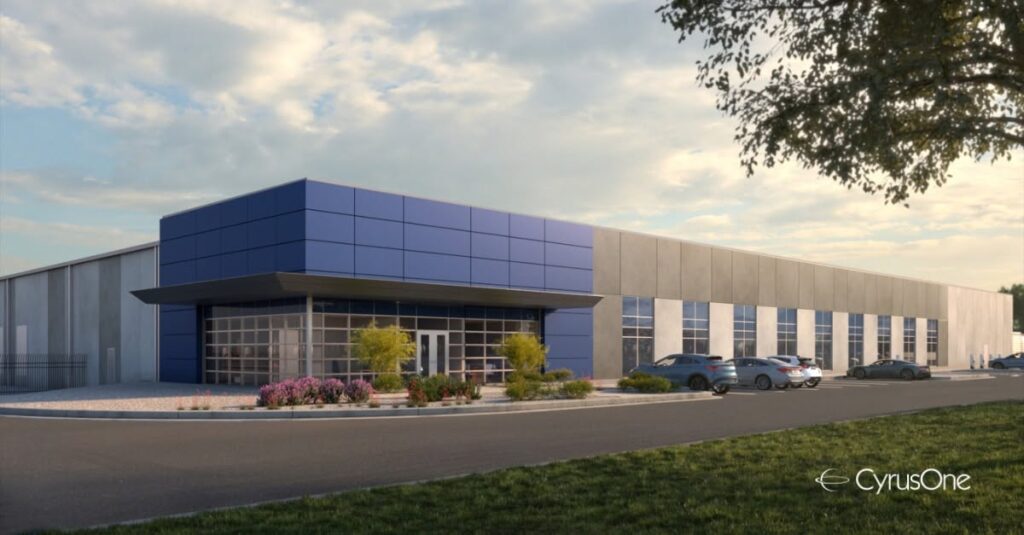
CyrusOne, in partnership with Constellation Energy’s Calpine unit, is moving forward with a hyper scale data center campus on a 506-acre site adjacent to the existing Freestone Energy Center natural gas plant near Fairfield.
The project, announced in February 2026, plans for up to 760 MW total capacity across two phases (380 MW each). The first phase is already under construction and could become operational by late 2026.
This co-location with the Calpine plant aims to provide reliable on-site power while serving the surging demand for data storage and AI computing.
Like many data center projects U.S., it brings a mix of potential benefits and significant concerns. Here is a balanced overview to help local citizens evaluate the proposal.
The Pros: Economic Opportunity and Infrastructure Job Creation and Tax Revenue
Developers and supporters highlight economic gains. Construction phases typically generate hundreds of temporary jobs, while the operational facility could create dozens of permanent positions in technical, maintenance, and security roles. Data centers often contribute substantial property tax revenue to county budgets, schools, roads, and emergency services-potentially millions annually once fully built, depending on final valuations and any tax agreements.
Power Reliability and Grid Support
By locating next to the Calpine plant, the project leverages existing Infrastructure. Proponents, including CyrusOne and Constellation, emphasize that the arrangement helps meet digital economy demands while maintaining electricity flow to the broader ERCOT grid and local communities.
Broader Economic Ripple Effects
Increased tax base could fund local improvements. Some communities see indirect benefits like upgraded roads or services. Texas data centers also support the state’s growing tech and energy sectors, potentially attracting related business.
The Cons: Environmental and Quality-of-Life Impacts
Noise Pollution
One of the most frequent resident concerns involves constant operational noise from cooling fans, chillers, HVAC systems, and backup generators. This can create a persistent low-frequency hum audible far beyond the site, potentially disrupting sleep, increasing stress, and affecting livestock health and productivity. Nearby Texas projects have seen numerous complaints of impacts on families and agriculture.
Suggested Questions on Noise Mitigation Barriers:
–Barrier Design and Specifications: What specific types of noise barriers do you plan to install (e.g., absorptive sound walls, modular steel panels, acoustic enclosures)? Will they be reflective only, or primarily absorptive materials that reduce both sound transmission and reverberation? What is the height, length, thickness, and Noise Reduction Coefficient (NRC) rating of these barriers?
–Placement and Coverage: Where exactly will the barriers be placed – around the entire perimeter, specifically around cooling towers/chillers/fans, generators, or only on sides facing residences? Will there be full enclosures or shrouds for rooftop equipment? How far will barriers extend beyond the noise sources to account for diffractions?
–Performance Modeling and Guarantees: What are the modeled nose reduction levels in dB(A) at the property line and at the nearest residences (please provide distances and specific decibel predictions for daytime and nighttime)? Have independent acoustic consultants conducted or will they conduct pre- and post-construction noise studies? Will you guarantee compliance with any county or TCEQ noise ordinances (e.g., maximum levels at residential boundaries)?
–Low-Frequency and Infrasound Handling: Traditional barriers are often less effective against low-frequency hum from large fans and cooling systems. What additional measures (e.g., tuned mass dampers, silencers, mufflers, or full acoustic enclosures) will address low-frequency noise and infrasound that can travel farther and affect sleep/health and wildlife safeguards for their survival?
–24/7 Effectiveness and maintenance: How will barriers perform under all weather conditions (wind, rain, temperature extremes common in Texas)? What is the maintenance plan, including inspections, cleaning, and repairs to ensure long-term effectiveness?
–Compliance and Limits: What noise limits (daytime and nighttime dBA/dBC at property lines and residences) are you committing to? Will the independent model demonstrate compliance under all operating condition?
–Low-Frequency and Health Impacts: Will the modeling specifically address low-frequency (subsonic) noise and infrasound, which are often underestimated and linked to sleep disturbance, stress, and health issues in rural settings? Will it include potential impacts on livestock and protected wildlife habitation?
Light Pollution and Visual Impact
24/7 security and facility lighting can cause sky glow, interfering with rural night skies, sleep patterns, and wildlife behavior.
Suggested Question on Light Pollution:
–Will all lights be downward-directed, shielded, and use warm spectra?
Water Usage
Data centers require significant water for cooling, raising concerns about strain on local aquifers and resources, especially during Texas droughts. Wastewater discharge adds another consideration.
Wildlife and Habitat
The large site involves land clearing in post oak savanna habitat. Potential impacts include fragmentation, sensory disturbances (noise/light), and white-tailed deer, bats, songbirds/raptors, pollinators, and the Texas endangered and protected Alligator Snapping Turtle, Timber Rattler and Blue Indigo Snakes, which have documented populations in Freestone County’s Tehuacana and Cottonwood Creek Basin that is in close proximity of the data center.
Other Concerns
* Potential effects on property values and rural character for nearby landowners.
* Limited long-term local jobs relative to the scale (many roles are technical and may not all go to locals).
* Questions about tax abatements reducing net county benefits.
Critics note that while data centers bring revenue, the burdens often fall heaviest on immediate neighbors through diminished quality of life, agricultural impacts, and wildlife habitat preservation.
Moving Forward: June 10 at 2:00 P.M. – Special Meeting & June 17 at 9:00 A.M. – Public Hearing
This project reflects national trends in AI and cloud computing, but local outcomes depend on strong mitigation. Residents are encouraged to attend the June 10 Special Meeting and the June 17 Public Hearing to voice questions on enforceable commitments, such as;
–Independent acoustic and wildlife monitoring (including specific species).
–Noise barriers, sound absorption, dark-sky lighting, and water conservation plans.
–Binding conditions on approvals or agreements.
–Transparency on modeling, Baseline studies, and adaptive management.
Freestone County’s rural character, agricultural heritage, and natural resources make careful consideration essential. Economic development can bring prosperity, but preserving livability and the environment is equally vital.
What do you think? Attend the meeting and hearing, submit written comments, or contact county commissioners. Informed community input can help shape the best possible outcome for all Freestone County citizens.
This article aims for balance based on publicly available project details and general data center impacts. Residents should verify latest specifics directly with officials and the developer.